
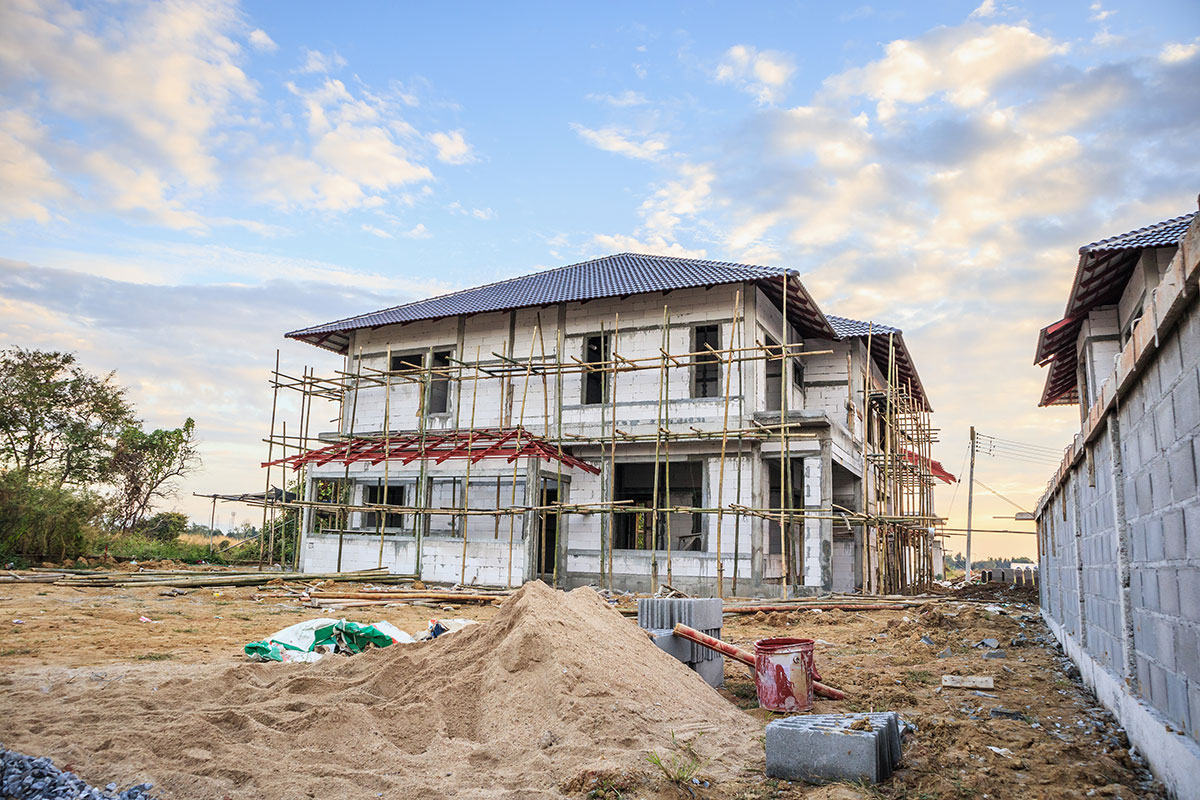
When it comes to long-term investments, the phrase “as safe as houses” has stood the test of time, embodying the enduring stability and reliability of real estate as an investment avenue. In this blog, we’ll explore the reasons why investing in houses is considered a secure and resilient choice, providing investors with a sense of confidence in the face of market fluctuations.
Tangible Asset with Inherent Value:
Unlike some financial instruments that derive their value from complex market dynamics, real estate is a tangible asset with inherent value. The land and structures you own have real, physical worth, providing a solid foundation for long-term stability.
Steady Appreciation Over Time:
Historically, real estate has demonstrated steady appreciation over time. While there may be short-term fluctuations influenced by economic conditions, the general trend is upward. This makes real estate a reliable option for investors seeking long-term growth and wealth accumulation.
Diversification of Investment Portfolio:
Diversification is a fundamental principle of sound investment strategy. Including real estate in your portfolio helps spread risk, as it doesn’t always correlate with the performance of stocks or bonds. This diversification can contribute to a more resilient and stable investment portfolio.
Income Generation Through Rental Returns:
Real estate investment, particularly in residential properties, offers the opportunity for a steady income stream through rental returns. Owning properties that are in demand in desirable locations allows investors to generate passive income, creating financial stability irrespective of market conditions.
Hedge Against Inflation:
Real estate is often considered a natural hedge against inflation. As the cost of living rises, so does the value of property. Rental income tends to increase with inflation, providing a valuable safeguard for investors against the eroding effects of rising prices.
Control Over Your Investment:
When you invest in real estate, you have a significant degree of control over your asset. You can make strategic decisions to increase its value, such as renovations or improvements, and you can choose when to buy or sell based on market conditions, giving you a level of autonomy not always present in other investments.
Stable Cash Flow with Leverage:
Real estate investment allows for the use of leverage, meaning you can control a substantial asset with a relatively small upfront investment. This leverage, coupled with stable rental income, provides investors with a consistent cash flow that can be used for further investments or as a source of passive income.
Limited Supply and Growing Demand:
Land is a finite resource, and as the global population continues to grow, the demand for housing increases. Limited supply coupled with growing demand can drive property values up over time, making real estate a resilient investment with the potential for sustained long-term growth.
Tax Advantages:
Real estate investors often benefit from various tax advantages. Mortgage interest, property taxes, and certain expenses related to property management can be deducted, reducing the overall tax liability for property owners. Understanding and utilizing these tax advantages can enhance the overall returns on your investment.
Emotional Value and Long-Term Stability:
The concept of a home is deeply ingrained in human emotion and culture. As a result, real estate has an enduring appeal that transcends economic fluctuations. People will always need homes, providing a long-term stability that is as much emotional as it is financial.
Investing in houses has earned its reputation as being “as safe as houses” for a multitude of reasons, ranging from tangible value and steady appreciation to income generation and tax advantages. While no investment is entirely risk-free, real estate has proven to be a resilient and enduring option that withstands the tests of time and market dynamics. As you consider your investment strategy, the stability and potential for long-term growth make real estate a cornerstone in building and preserving wealth.